 |
 |
 |
||
 |
 |
|
 |
||
 |
 |
 |
 |
||
 |
 |
 |
 |
 |
||||
|
||||


 |
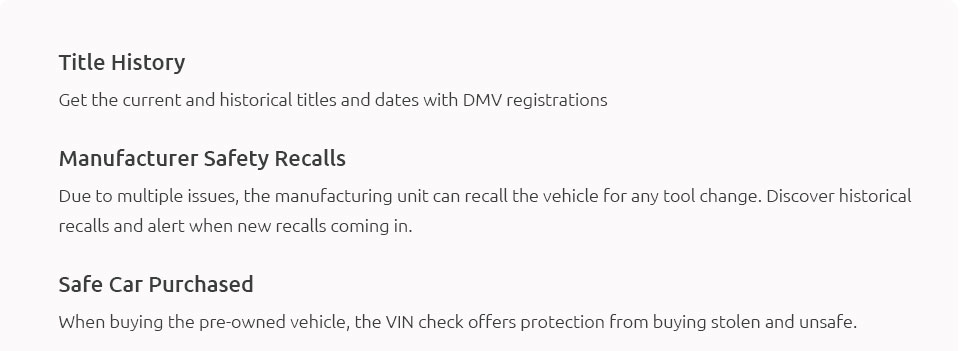
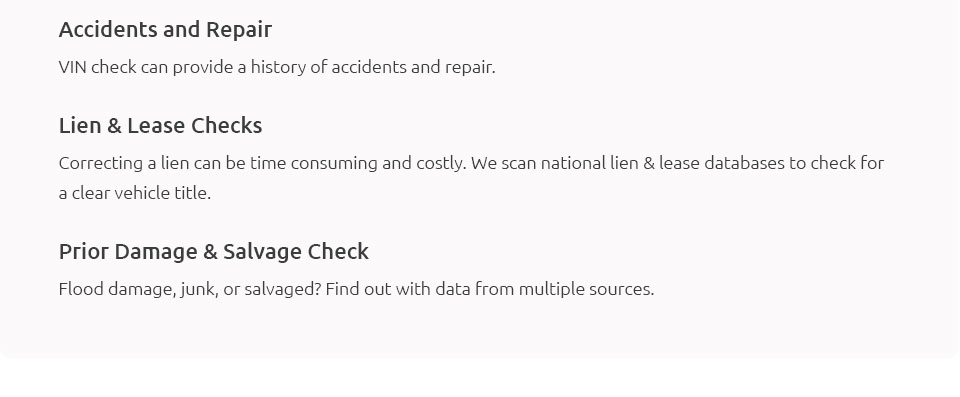
How to Check the Accident History of a CarWhen embarking on the journey of purchasing a pre-owned vehicle, one crucial step that shouldn't be overlooked is checking the car's accident history. This process not only provides peace of mind but also ensures that you're making an informed decision. Let's delve into the various methods available for uncovering a car's past accidents, while also sprinkling in some insights and tips to make the process smoother. Firstly, the Vehicle Identification Number (VIN) is your best friend. This unique 17-character code is essentially the car's fingerprint, and it can unlock a treasure trove of information about the vehicle's history. Services like Carfax and AutoCheck are popular choices for obtaining a detailed report. These services compile data from various sources including insurance companies, repair shops, and law enforcement agencies to provide a comprehensive overview of any reported accidents. While these reports usually come at a cost, they are well worth the investment for the valuable insights they offer. Another effective method is to review maintenance and repair records. If the seller is genuine and transparent, they should have no qualms about providing you with these documents. These records can reveal whether the car has undergone significant repairs which might suggest prior accidents. Look for consistent maintenance and whether any major parts were replaced, as this could be indicative of a past collision. Additionally, don't underestimate the power of a professional inspection. Hiring a certified mechanic to inspect the car can uncover issues that might not be immediately apparent. They have the expertise to spot telltale signs of accident damage, such as mismatched paint, irregular panel gaps, or welding marks on the frame. Their trained eye can be invaluable in assessing the true condition of the vehicle.
Finally, while technology and professional help can provide substantial information, don't ignore your intuition. If something feels off during the purchase process, whether it be inconsistencies in the information provided or a lack of transparency from the seller, it may be wise to walk away. After all, purchasing a car is a significant investment, and ensuring its past aligns with your expectations is crucial for a satisfactory ownership experience. In conclusion, checking a car’s accident history is an essential step in the used car buying process. By leveraging VIN reports, maintenance records, professional inspections, and other resources, you can protect yourself from unforeseen issues and make a confident purchase. Remember, knowledge is power, and in the realm of used cars, it’s your most reliable ally. https://vincheck.info/
Get an official vehicle report, 100% free! Only VIN number required. Check any VIN from 268+ million registered vehicles in the US for accident, theft, ... https://www.vincheckup.com/
Run Free VIN Check and get Instant Vehicle History Report at VinCheckUp. Use VIN Lookup tool to check vehicle year, make, model, engine type & more.. https://www.faxvin.com/vin-check/accident
What to Do to Get an Accident Report - Step 1: Navigate to the VIN search section at the top section of this page. - Step 2: Input the 17-digit ...
|
